Berita Terkini
2026-08-12
2026-06-25
2026-04-09
2026-04-03
2026-03-24
2026-03-20
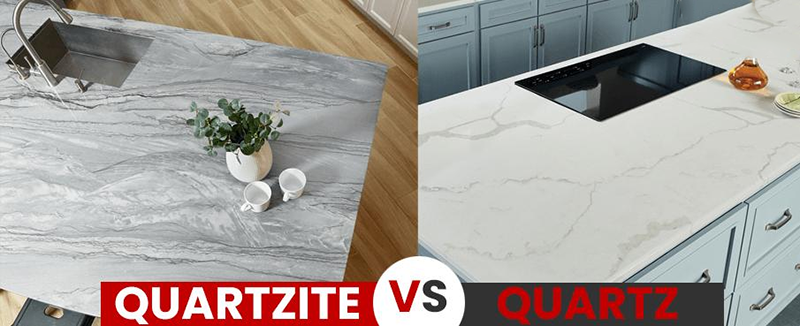
Kuarsa direkabentuk dihasilkan secara pembuatan—hablur kuarza dikisar dan digabungkan dengan resin serta pewarna di bawah tekanan. Kuarzit? Ia adalah masa geologi yang menjadi pepejal, terbentuk apabila batu pasir dimampatkan dan mengalami pengkristalan semula di bawah tanah yang dalam.
Satu direka; satu lagi ditemui.
Jadi tanyakan pada diri sendiri—adakah anda mahukan ketepatan… atau ketidakpastian?
Di sinilah harapan sering runtuh.
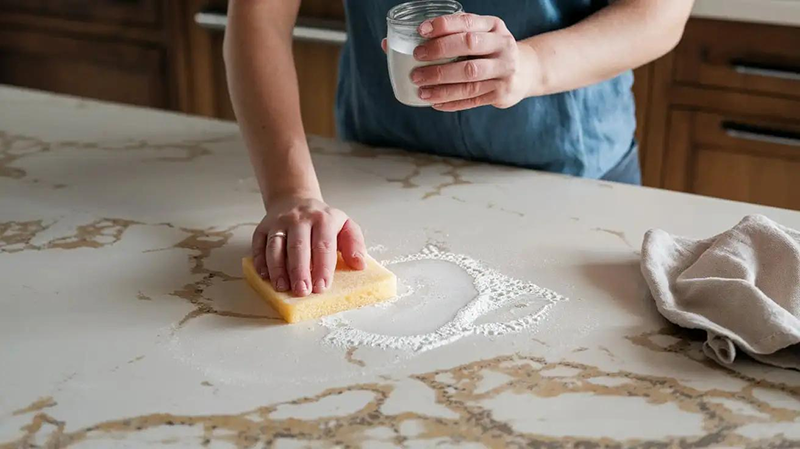
Kuarsa direkabentuk untuk tahan. Tidak berliang. Penyelenggaraan rendah. Lap dan siap. Ia tidak menyerap cecair, dan bakteria sukar menembusi permukaannya.
Manakala kuarzit berjuang secara berbeza. Ia lebih keras—biasanya sekitar skala Mohs 7—maksudnya goresan amat jarang berlaku. Panas? Tiada masalah. Sila terus letakkan kuali panas di atasnya.
Tetapi terdapat satu pengecualian.
Jadi, yang manakah “lebih tahan lama”?
Bergantung pada jenis kerosakan yang lebih anda risaukan.
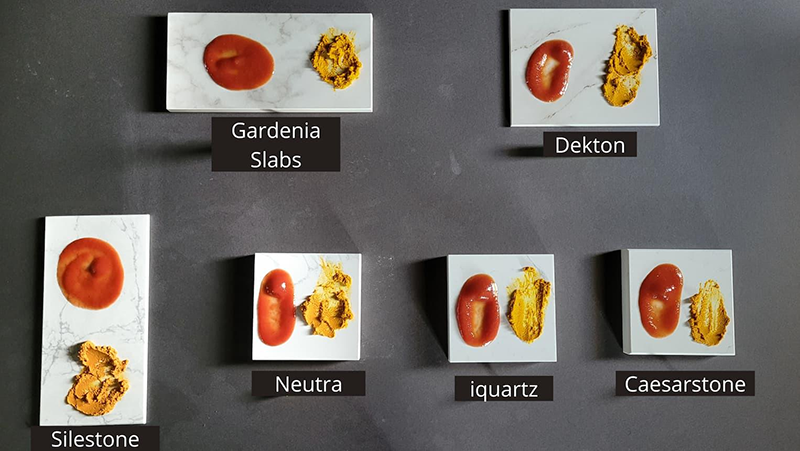
Kuarza berkelakuan seperti pelakon yang terlatih dengan baik. Konsisten. Boleh diulang. Dapat diramalkan.
Anda mahukan warna putih tulen? Anda akan mendapatkannya.
Anda mahukan ketebalan yang serupa merentasi satu projek? Mudah.
Kuarzit menolak skrip itu.
Corak-coraknya berpindah-pindah. Urat-urat berubah di tengah-tengah kepingan. Tiada dua kepingan yang sejajar secara sempurna kerana memang tidak dimaksudkan untuk begitu. Ketidakkonsistenan itu—'ketidaksempurnaan' geologi tersebut—adalah tepat mengapa para pereka mencarinya.
Logik reka bentuk dalam amalan
Paradoks yang pelik: semakin tidak sempurna batu itu, semakin tinggi nilai pasarnya.
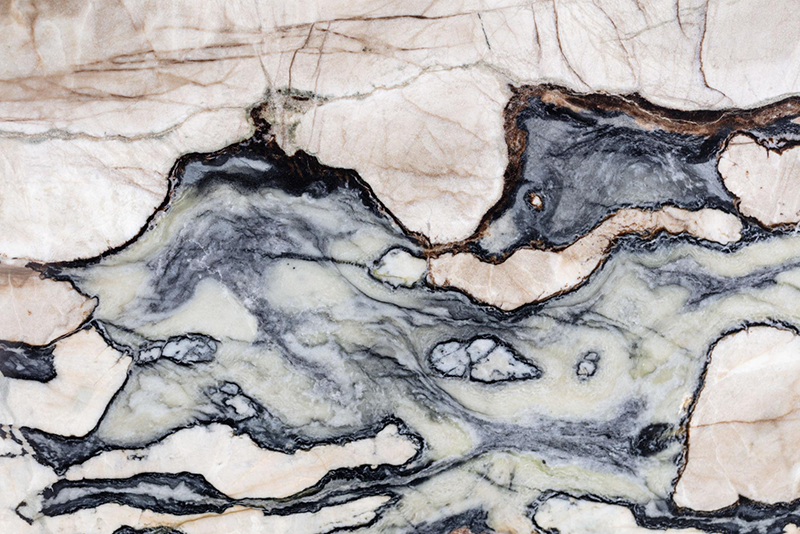
Mari kita bincangkan apa yang berlaku selepas pemasangan—kerana di situlah penyesalan biasanya muncul.
Kuarz mudah digunakan. Hampir terlalu mudah. Tiada perlunya pengedapan. Tiada penjagaan khas. Cukup dengan mengelakkannya daripada haba berlebihan atau sinaran UV yang berpanjangan—resin tidak menua dengan baik di luar bangunan.
Kuarzit memerlukan sedikit perhatian tambahan. Pengedapan berkala. Sedikit kewaspadaan. Sebagai balasan, ia menawarkan jangka hayat yang panjang dan ketahanan yang sukar dicapai oleh bahan-bahan kejuruteraan.
Titik tekanan keputusan
Jadi usaha yang rendah sekarang, atau integriti bahan jangka panjang?
Kuarsa buatan atau kuarsa semula jadi?
Ini bukan hanya pilihan material. Ia adalah pemikiran.
Kuarza adalah tentang kawalan. Garis-garis bersih. Kebolehramalan.
Kuarzit adalah tentang toleransi—terhadap variasi, terhadap penyelenggaraan, terhadap perkara tak dijangka.
Satu lagi berkelakuan tepat seperti yang dijanjikan.
Yang satu lagi berkembang, secara senyap, dari masa ke semasa.
Dan keputusan sebenar?
Adakah anda mahu permukaan anda berkelakuan…
atau untuk hidup .

 EN
EN